
Behind the Lens: Documenting Cassava Farmers and Resilience in Western Kenya
Six days, 1,200 kilometres, and countless stories of resilience capturing the Cassava Market Access Project across Kisumu and Busia counties.
Six days, 1,200 kilometres, and countless stories of resilience.
From 5–9 October 2026, the Collines Communications Concept Limited production team was in Western Kenya documenting the Cassava Market Access Project, implemented by Self Help Africa under Brics Insights Consultants. Our assignment focused on Kisumu and Busia counties, capturing the stories of farmers and small and medium-sized enterprises (SMEs) involved in cassava seed multiplication and processing.
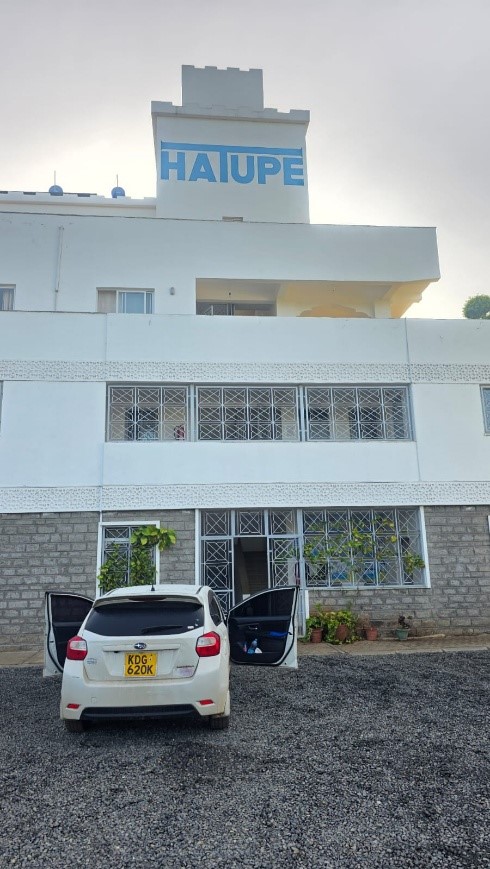
The journey began in Nairobi, with the Phoenix clocking 422 kilometres from Shell Gitaru along Waiyaki Way to Busia. By the end of the field assignment, the odometer had recorded approximately 1,200 kilometres of travel, farm visits, interviews, and countless moments behind the lens.
A Firsthand Look at Cassava Farming
Although I had encountered cassava farming through my good friend Lucas Olewe, popularly known as Kamau, who runs Lactone Investments Farm in Lambwe Valley, this assignment offered a deeper perspective on the crop and its growing importance to communities in Western Kenya.
Cassava is becoming an increasingly important food crop for many households because of its resilience and ability to withstand dry conditions. Through this documentary, we explored the work being done to improve access to quality planting materials, strengthen seed multiplication enterprises, and support cassava processing.
We visited seed multiplication SMEs in both Kisumu and Busia, documenting their experiences and the opportunities emerging from improved cassava varieties introduced through the work of Self Help Africa and the Kenya Agricultural and Livestock Research Organisation (KALRO).
For many farmers, these improved varieties offer renewed hope, with some taking approximately nine months to mature. In a region where unpredictable rainfall and prolonged dry spells continue to challenge agricultural production, such developments could make a meaningful difference.
Farming Through the Heat and Drought
Fieldwork in Western Kenya came with its own challenges. Temperatures in Busia and Kisumu climbed to between 30°C and 35°C, making long days of filming under the sun demanding. Along the Busia–Malaba road, even our phones struggled to maintain a stable network connection as we moved between locations.
However, the biggest story was the farmers’ determination to keep producing food despite the challenges posed by drought.
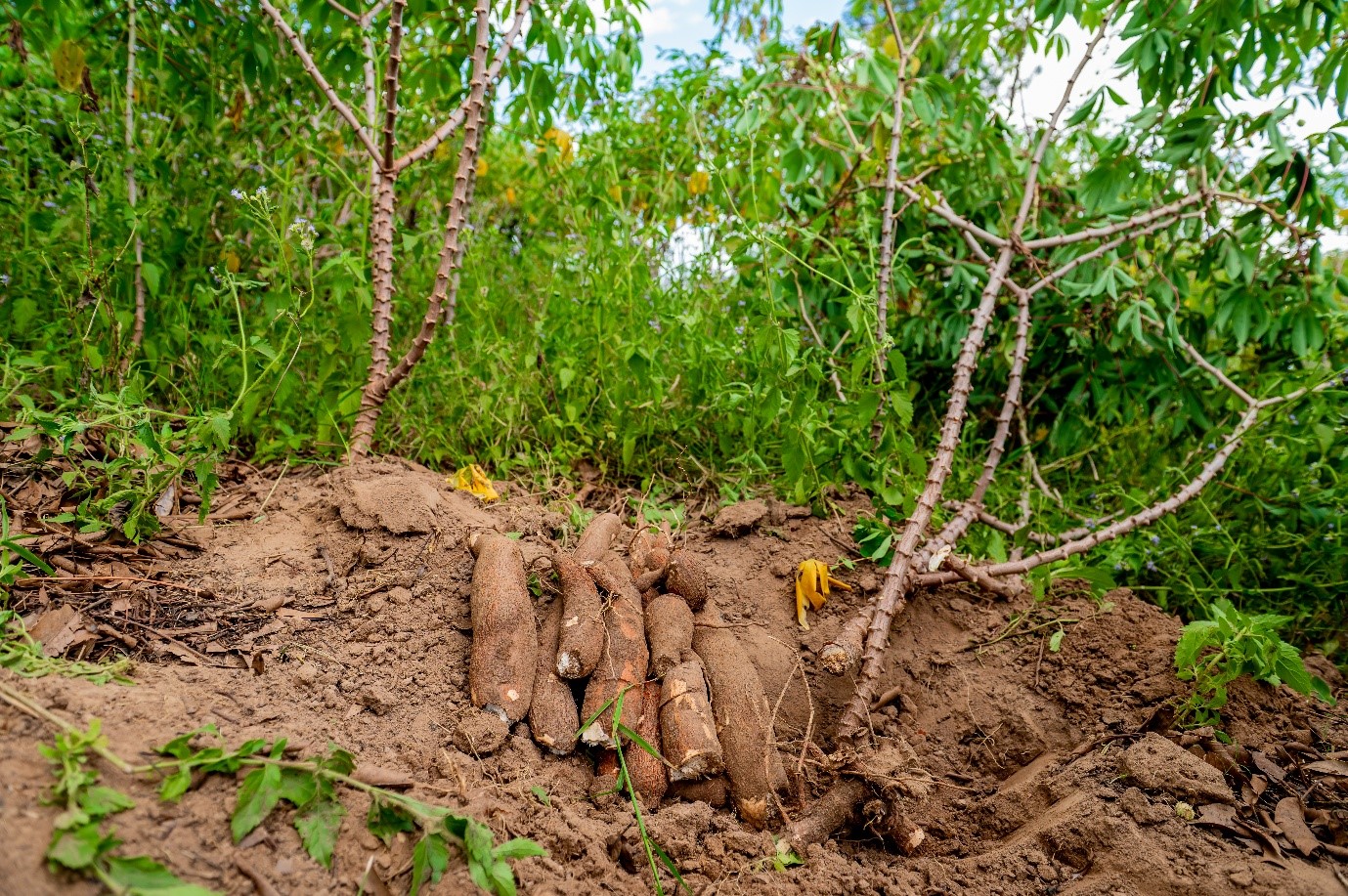
Cassava is a hardy crop, but establishing it requires adequate moisture. The planting stage is particularly sensitive to rainfall, making the timing of planting critical. Once established, the crop can tolerate dry conditions better than many other staple crops. As a production team, we witnessed firsthand the resilience of farmers who continue to adapt, learn, and make the most of the resources available to them.
And then, the Rains Came
Perhaps the most memorable moment came on our final day, as we prepared to leave Kisumu. After days of intense heat and conversations about the challenges of drought, the rains finally returned in full force.
For the farmers, this was more than just a change in weather. It was a moment of hope. Some considered our visit a blessing, believing that we had arrived during a difficult season and were leaving just as the much-awaited rains returned.
As a production team, we could not help but appreciate the timing. We had spent the week documenting the resilience of farmers who continue to work the land despite unpredictable weather, and now we were witnessing the very thing they had been hoping for: the return of the rains.
It felt like a fitting end to our journey in Western Kenya. We left Kisumu with our cameras packed, our hearts full, and a renewed appreciation for the farmers whose livelihoods depend so closely on the seasons.
More Than a Documentary: A Taste of Local Hospitality
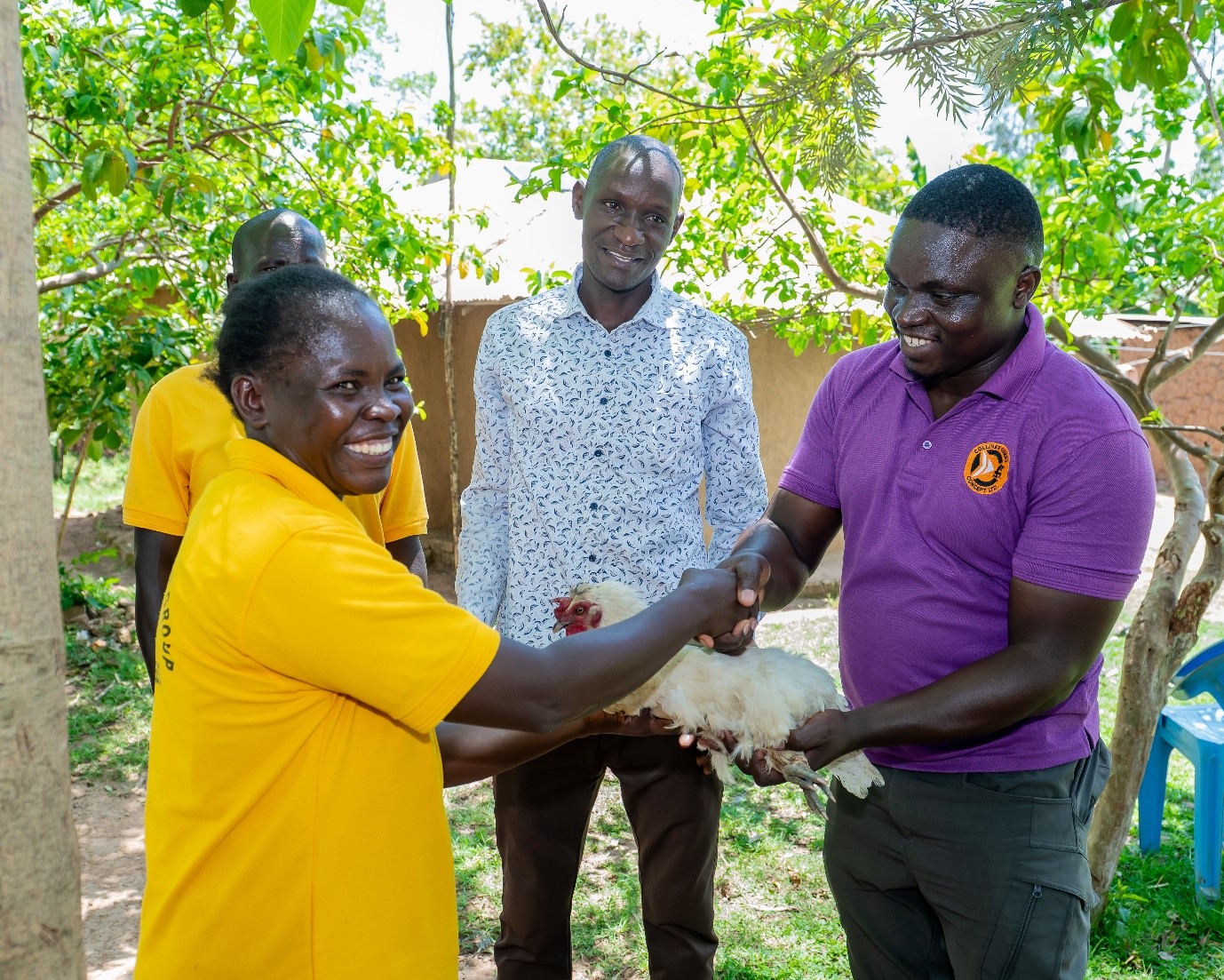
Another memorable moment came during our visit to farmers from Ochude Union Self Help Group. As a gesture of appreciation and a reflection of local hospitality, the farmers gifted us a chicken as visitors to their homes and farms. In Busia, guests are often welcomed with something to remember their visit by, and we were fortunate to experience this tradition firsthand.
The experience became even more memorable when we prepared and enjoyed the chicken at one of the farmers’ homes, served with cassava brown ugali and traditional kienyeji vegetables.
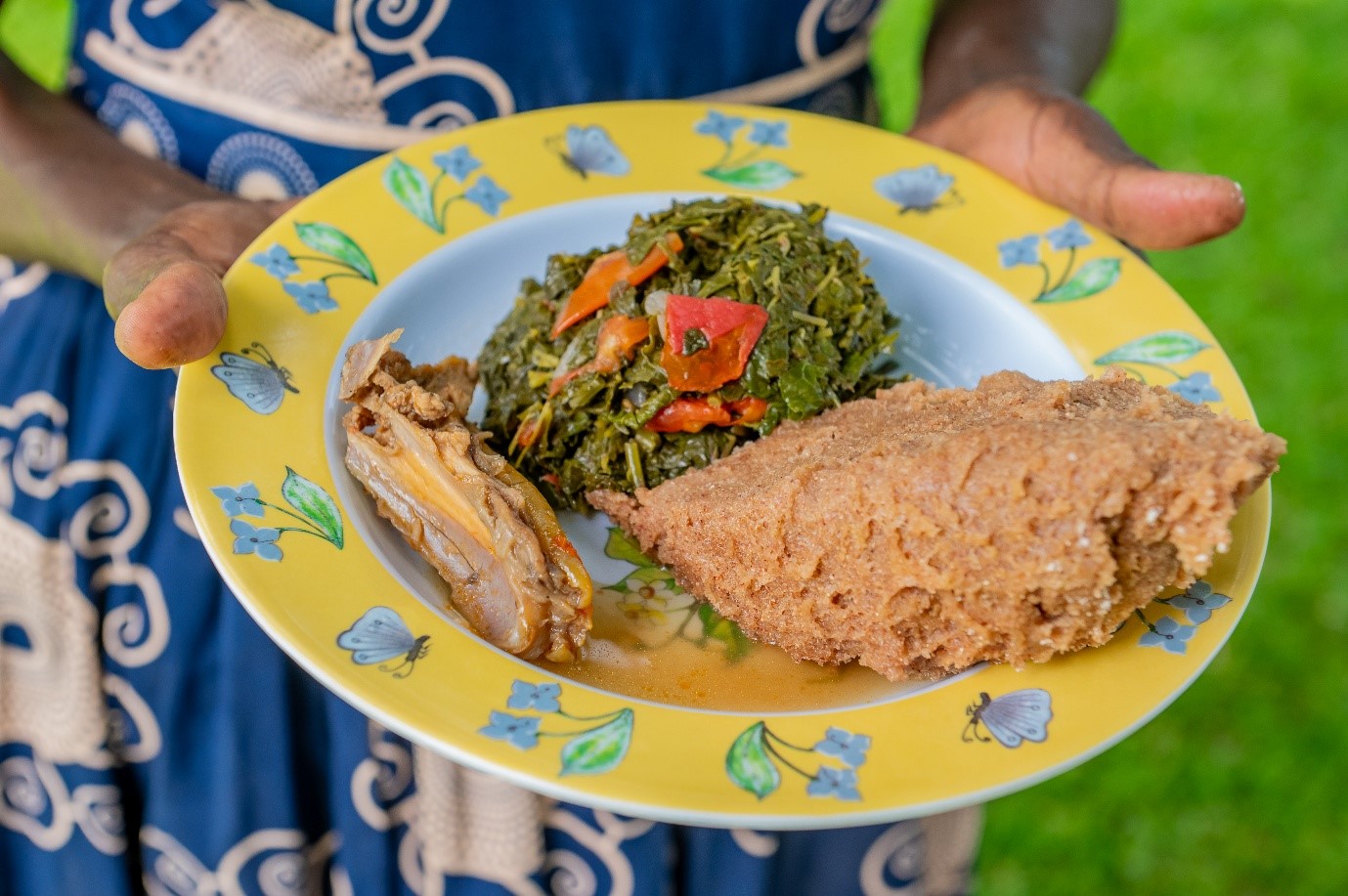
Beyond being a delicious meal, it reflected the importance of local food systems and healthy eating. The farmers had received training on balanced diets and the value of consuming locally grown vegetables produced using organic manure. It was a powerful reminder that agricultural development goes beyond production and markets—it touches nutrition, livelihoods, knowledge sharing, and the relationships built within communities.
Telling Stories That Matter
The documentary brought together a dedicated production team: Collines Omondi as producer, photographer, and drone operator; Samuel Waweru as Cinematographer 1 and gimbal operator; Anne Kibei as Cinematographer 2; and Ashley from Brics Insights Consultants as production assistant.
For us at Collines Comms, this assignment was more than a filming exercise. It was an opportunity to learn about a crop we had not previously documented in such depth, connect with farmers, and capture stories of innovation and resilience in the face of climate challenges.
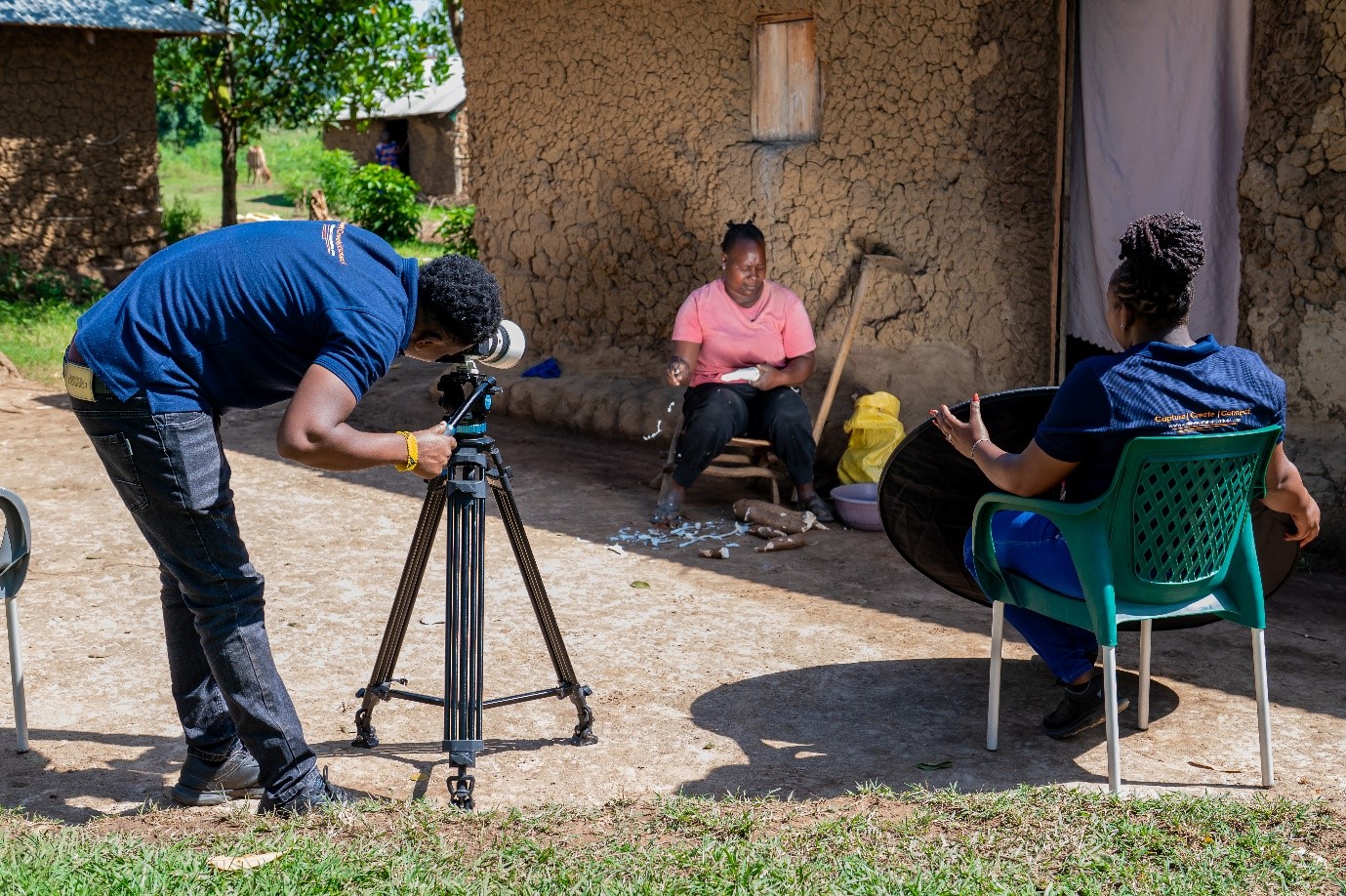
From the seed multiplication enterprises in Busia and Kisumu to the warm hospitality of the farmers and the unexpected return of the rains, every moment added another layer to the story we were there to tell. Until the next assignment, we remain committed to telling stories that matter—one community, one journey, and one frame at a time.
Collines Communications Concept Limited — Capturing stories. Creating impact.