
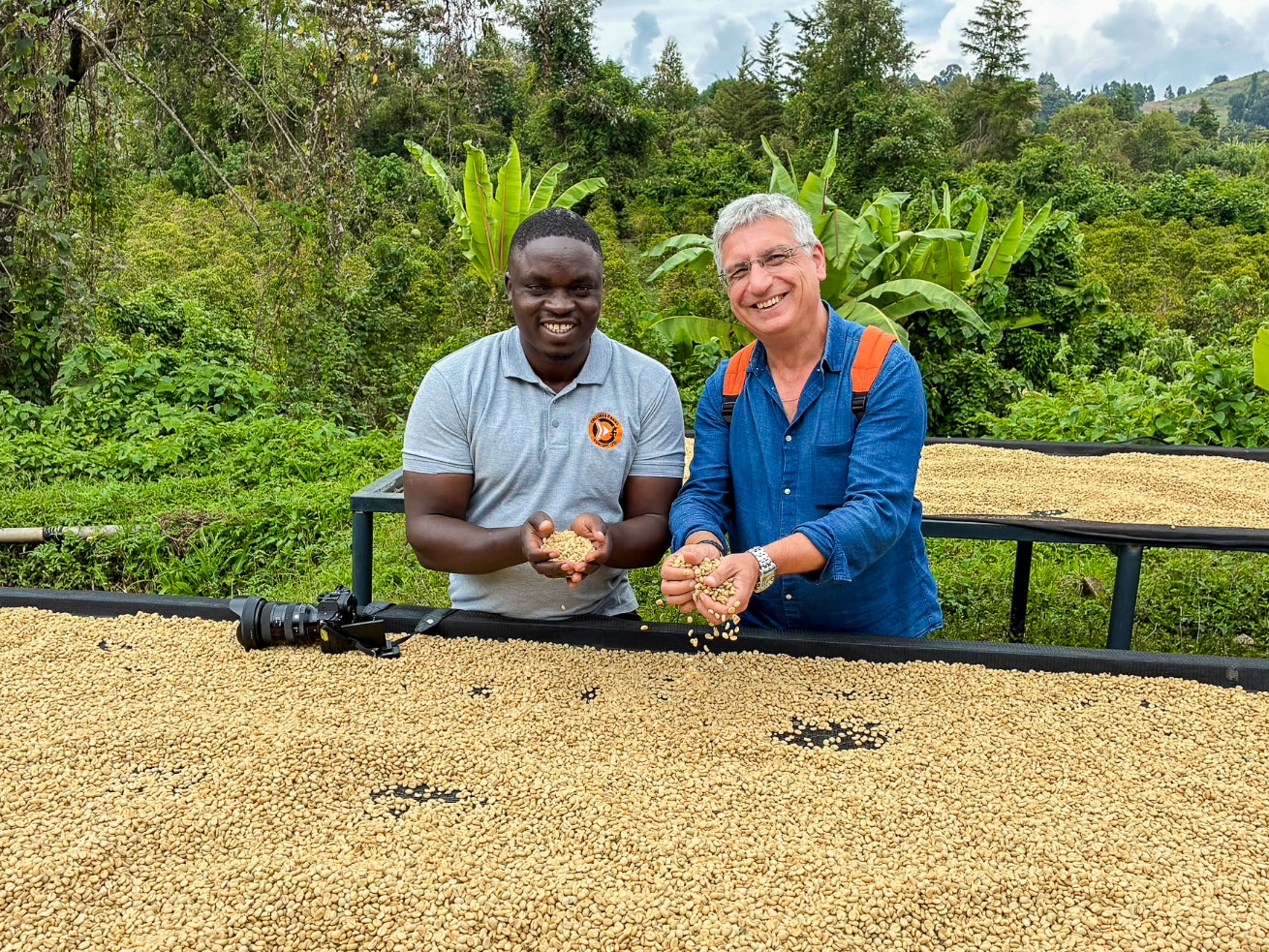
From Seedlings to the Coffee Auction: Documenting the Story of Kenyan Coffee
Two weeks on the road, countless conversations, and a deeper appreciation of what goes into every cup of coffee.
Two weeks on the road, countless conversations, and a deeper appreciation of what goes into every cup of coffee.
For the past two weeks, we had the opportunity to travel across Kenya documenting the story of Kenyan coffee alongside Gianfranco Belgrano, a renowned Italian journalist and member of INTERNATIONALIA, an independent editorial group founded in 2012 by journalists and researchers passionate about promoting quality international journalism, with a particular focus on emerging regions, economics and politics.
Gianfranco has spent years documenting and telling stories about agriculture across Africa and other parts of the world. Working alongside him offered an exciting opportunity to exchange perspectives, explore different storytelling approaches and, most importantly, follow the journey of Kenyan coffee from the farm to the market.
I must admit, I am not particularly a coffee enthusiast. However, this assignment gave me an entirely new appreciation of the work, patience and people behind every coffee bean.
Following the Journey of Kenyan Coffee
Our journey took us through different stages of the coffee value chain, beginning with seedlings and coffee farming, moving through harvesting and processing, and eventually ending at the coffee auction.
One of the highlights was visiting the Nairobi Coffee Exchange, where Kenya's coffee is traded through weekly auction sessions held every Tuesday at Wakulima House.
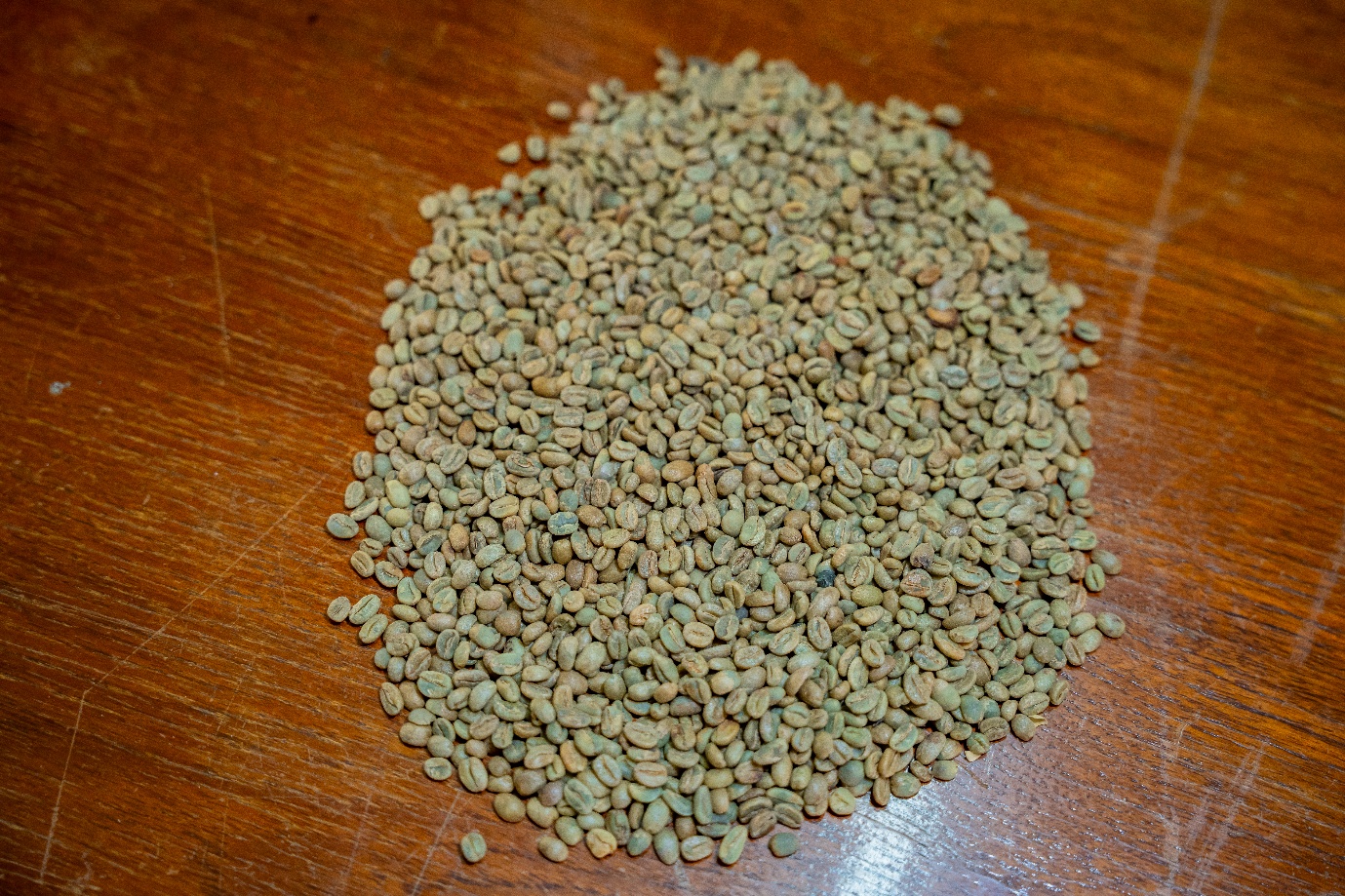
Seeing the final stage of the journey was particularly interesting. What begins as a seedling nurtured by a farmer eventually becomes processed green coffee, ready for trading and export to international markets. It was a powerful reminder that behind every commodity we consume lies a complex value chain involving people, knowledge, investment and years of dedication.
Growing the Coffee Value Chain in Nakuru County
A particularly interesting part of our assignment was documenting the work of 3Es Africa, which has been doing commendable work in strengthening the agricultural value chain in Nakuru County under the leadership of my good friend, Samuele Tini.
Through its Kahawa na Maziwa (Coffee and Milk) initiative, the organisation is working to strengthen both the coffee and dairy value chains, creating opportunities for farmers to diversify and improve their livelihoods.
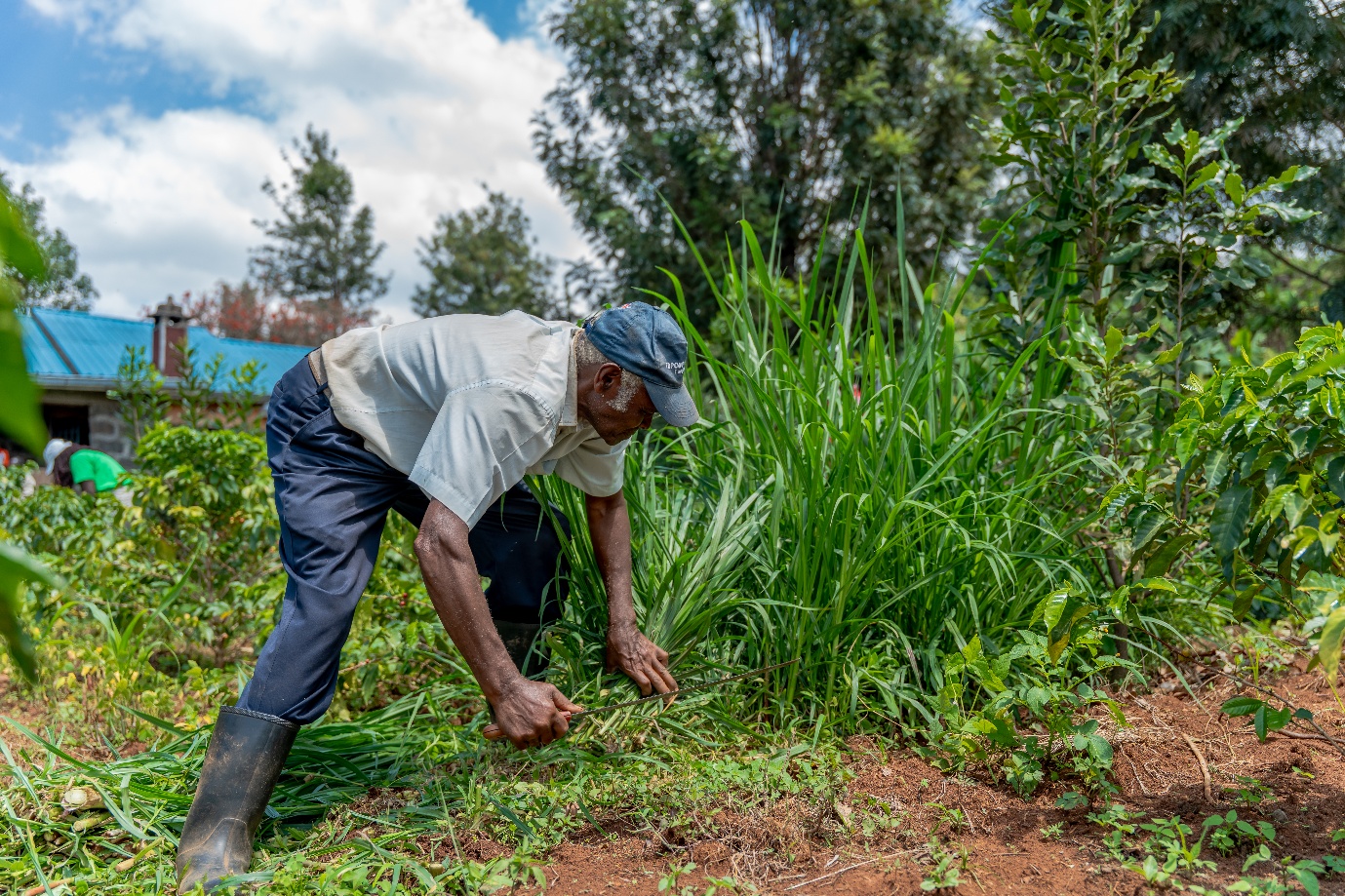
We had the opportunity to learn more about the introduction of grafted Ruiru 11 coffee seedlings and the progress farmers have made since planting them.
Interestingly, we had documented this same initiative approximately two years ago, when farmers were just beginning to plant the seedlings. Returning to the farms and witnessing some of the coffee bushes bearing berries was a special moment.
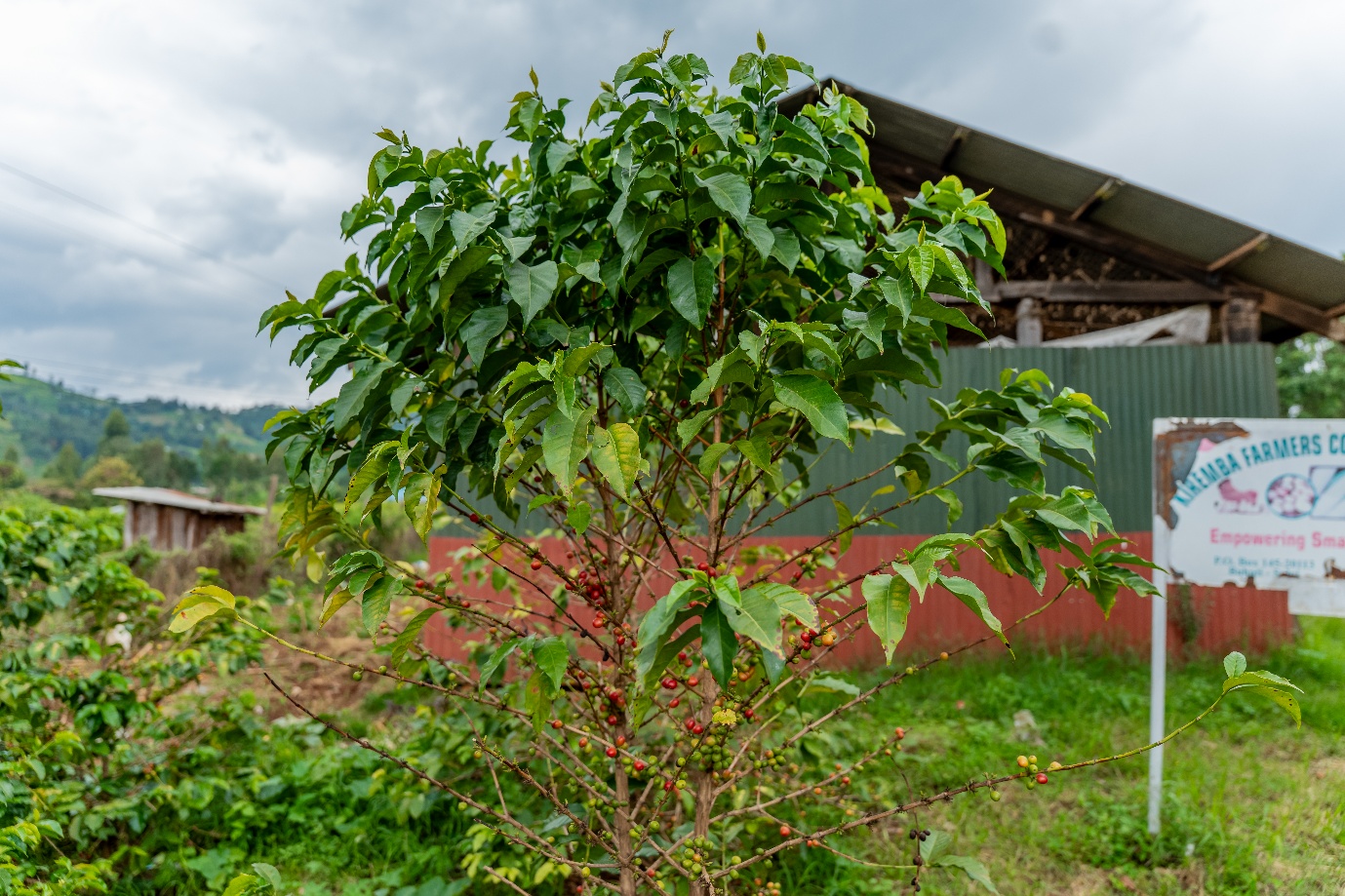
Some of the farmers have experienced drought, which affected the first harvest. Nevertheless, their optimism remains strong, with ambitions of achieving at least 8 kilograms of coffee per bush in the coming year.
Seeing the progress firsthand brought home the importance of long-term documentation. Stories are not always about capturing what is happening today; sometimes, they are about returning years later to show what has changed, what has worked and what remains possible.
A Tea-Drinking Nation with a Coffee-Growing Legacy
One of the interesting things I learned during this assignment is the contrast between Kenya's position as a globally recognised coffee producer and its relatively low domestic coffee consumption.
Kenya is traditionally a tea-drinking nation, and domestic coffee consumption is estimated at only about 1–3% of total production. This raises interesting questions about the local coffee market, changing consumer habits and the opportunities that exist to encourage more Kenyans to appreciate and consume locally produced coffee.
There is clearly more to the Kenyan coffee story than exports. There are opportunities to grow local markets, strengthen farmer incomes, invest in value addition and connect more consumers to the people behind the product.
A Glimpse into Nairobi's Waste Innovation
Beyond the coffee documentation, we also had an opportunity to document some of the projects supported by the Italian Agency for Development Cooperation (AICS) Nairobi Office in Nairobi.
Our visits to Korogocho and Baba Dogo introduced us to some inspiring companies doing remarkable work in waste management, finding innovative ways to turn waste into useful products while creating economic opportunities and contributing to environmental sustainability.
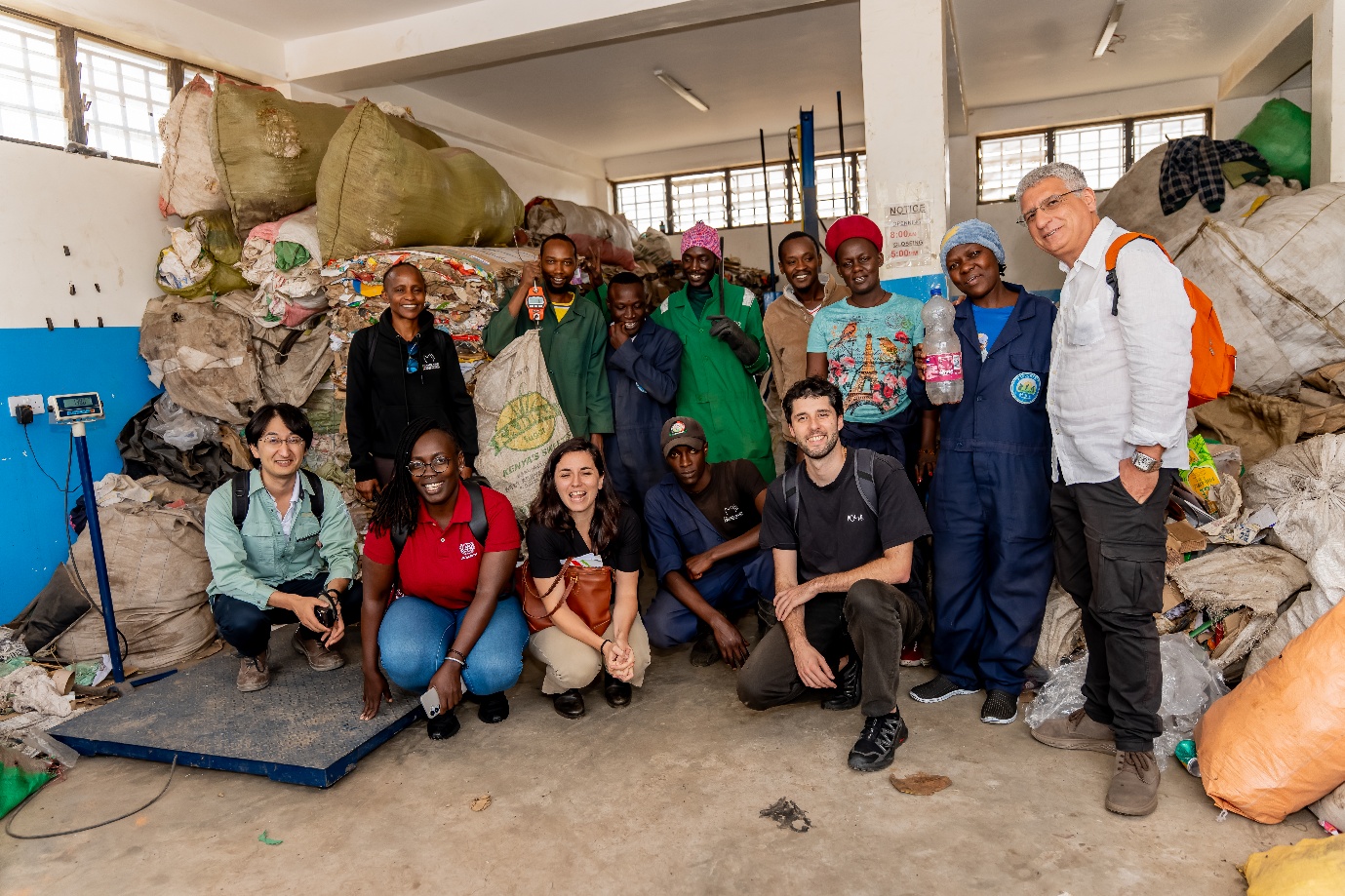
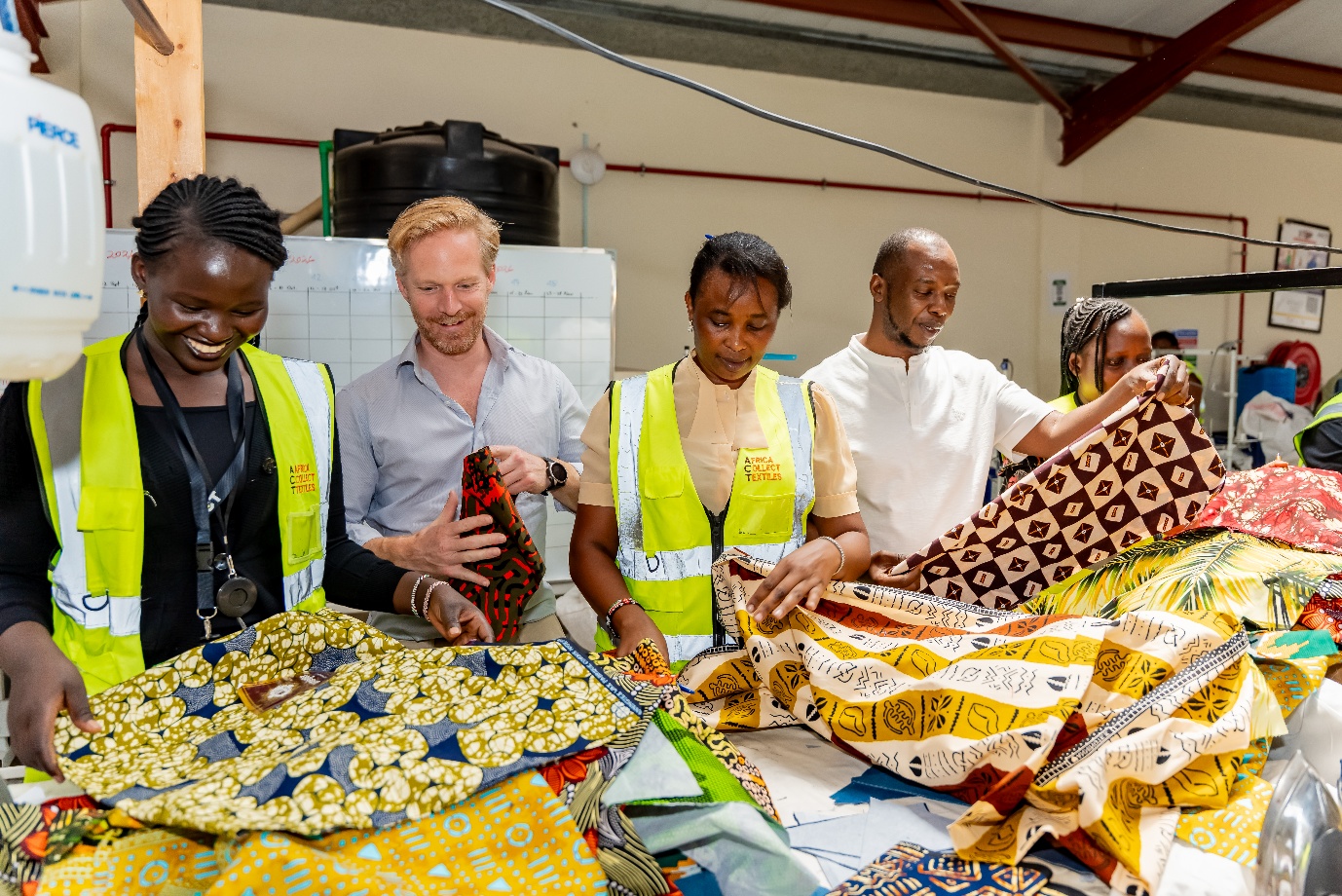
It was encouraging to see the creativity and entrepreneurial spirit behind these initiatives and the solutions being developed to address everyday environmental challenges.
A Taste of Kenyan Hospitality
Of course, a journey through Kenya would not be complete without experiencing some of its food and hospitality!
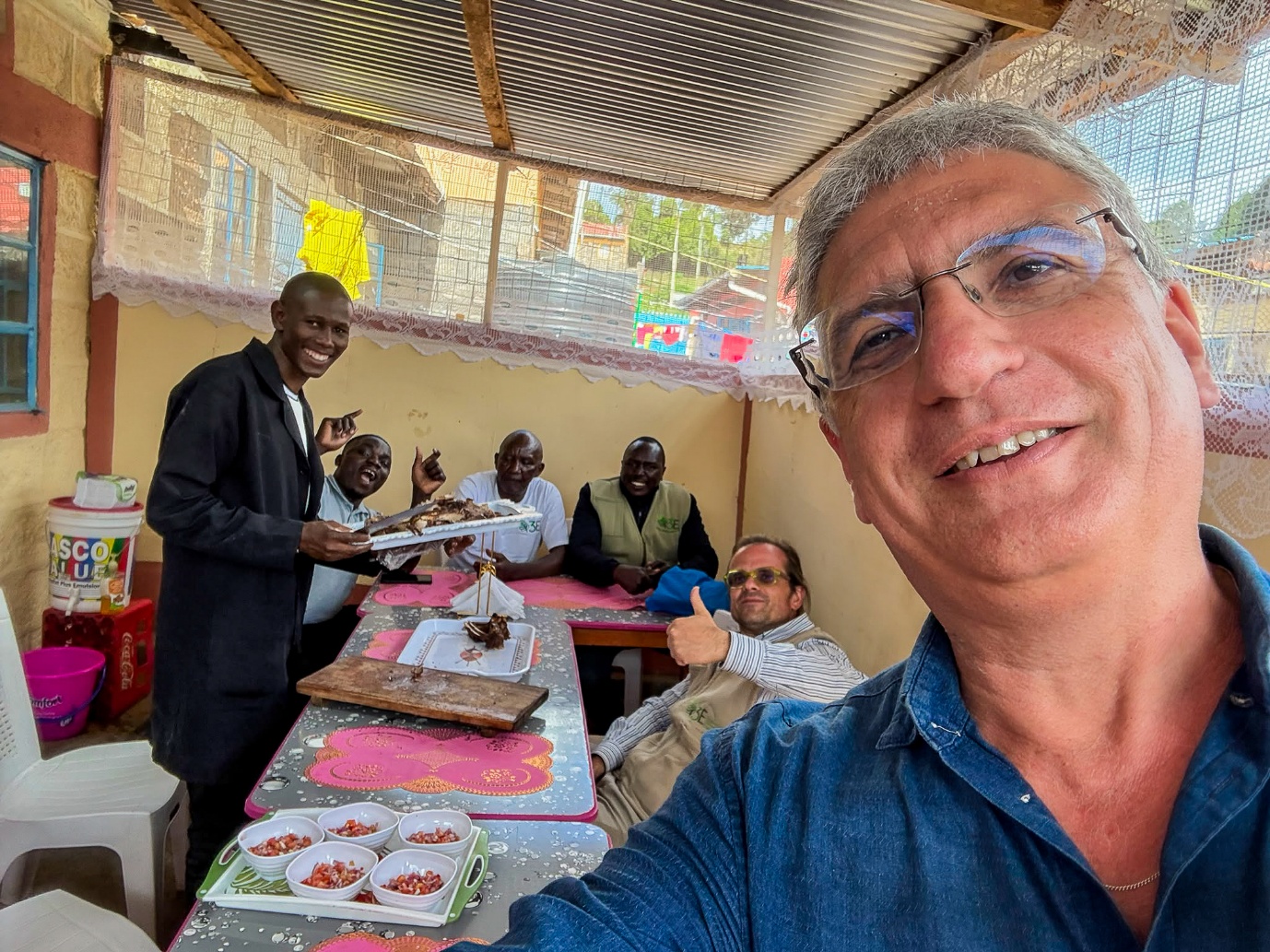
While in Kabazi, we had the opportunity to share lunch at Wakinjo Restaurant, where Gianfranco got to experience one of Kenya's favourite delicacies — nyama choma.
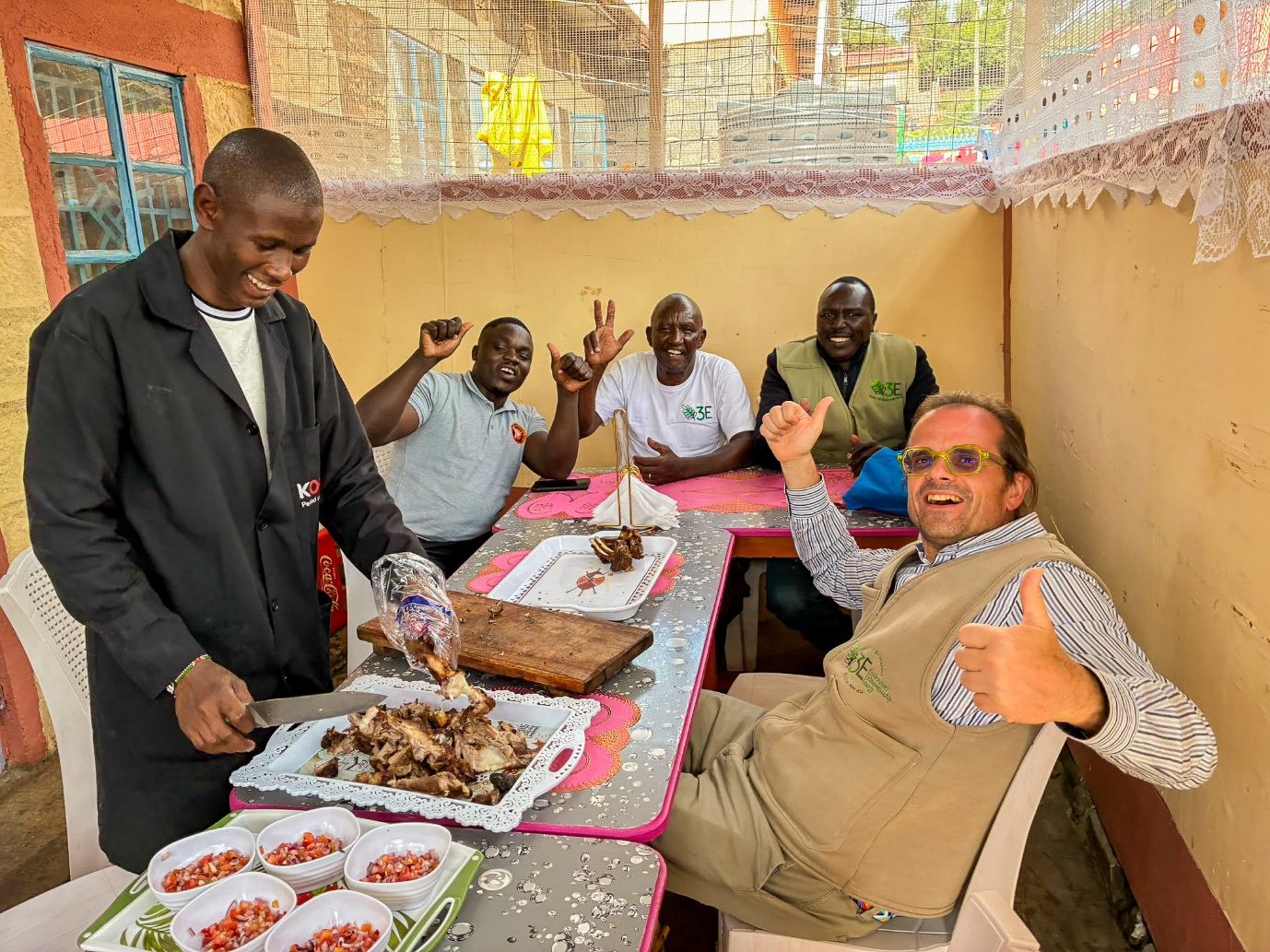
It was a simple but memorable cultural moment. Beyond the coffee farms, interviews and auction floors, sharing a meal offered another opportunity to exchange cultures, stories and experiences. For Gianfranco, it was a chance to enjoy a taste of Kenya, and for us, another reminder that some of the best connections happen around a table, over a good meal.
Beyond the Assignment: The Power of Exchanging Stories
Beyond the photographs, interviews and video footage, one of the most rewarding aspects of this assignment was the exchange of ideas and cultures between Gianfranco and myself.
Working with a journalist who brings an international perspective to agricultural storytelling was a valuable learning experience. It reminded me that storytelling has no borders. While our backgrounds and approaches may differ, we share a common interest in documenting people, communities and the systems that shape our world.
At Collines Communications Concept, we believe that every story deserves to be understood, documented and told with purpose. This assignment was another opportunity to put that belief into practice.
We look forward to building on this experience and exploring more opportunities for collaboration between Collines Communications Concept and INTERNATIONALIA, telling stories from Kenya and across Africa that deserve a place on the global stage.
Sometimes, the best stories are found in places we least expect. And sometimes, you have to follow a coffee seedling all the way to the auction to truly appreciate the journey.
Here's to more stories, more collaborations and more journeys!
By Collines Omondi — Collines Communications Concept Limited