Same Cameras, Bigger World: From Kenya to Delft
It was our second international work assignment outside Kenya and another reminder that the skills we have built at home can travel. Same cameras. Bigger world.
The Delft story started in Kenya, long before we boarded the plane.
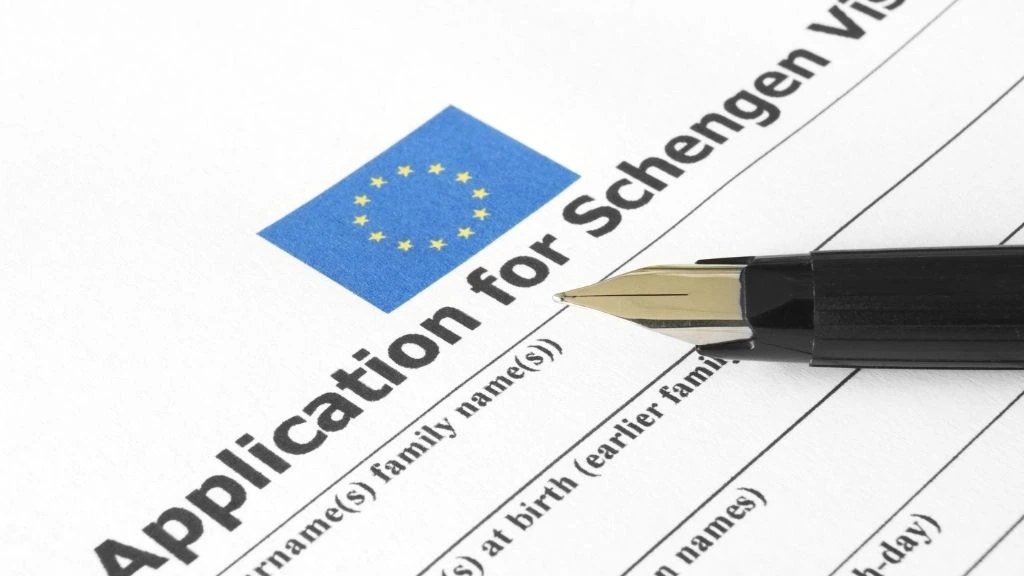
It began with an invitation to document the TEMBO Africa Month 44 Consortium Meeting in Delft, Netherlands. Then came the visa application, the waiting and, eventually, a yes. That visa sticker in the passport made the trip feel real. Suddenly, there was a shoot to prepare for, equipment to pack and a whole new country to navigate.
Nairobi to Delft
We flew with Kenya Airways, carrying considerably more than clothes. Our luggage included cameras, lenses, batteries, laptops, tripods and production accessories. Essentially, a small mobile production studio, with a few outfits squeezed in somewhere.
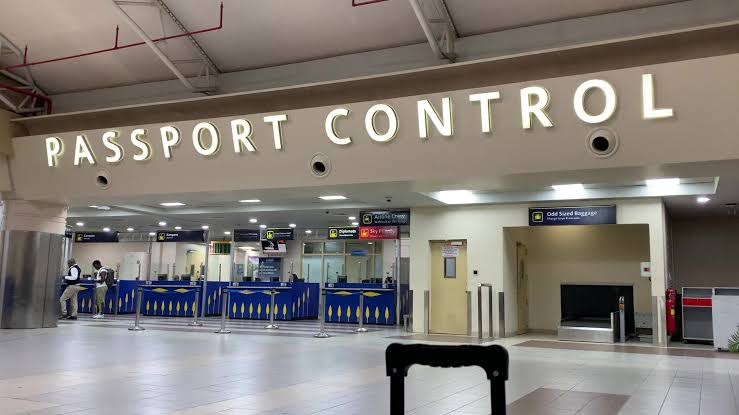
Our tripods were too large to travel in the cabin, so they had to be checked in. Watching your tripod disappear onto a baggage conveyor is a surprisingly stressful experience when that tripod is part of how you make a living. You stand there hoping it will make it to the other side in one piece.
For international production work, travelling with equipment requires a little more planning than simply throwing things into a suitcase. We had to think about what was travelling with us, what was going into checked baggage, what needed protection and the customs requirements for taking professional equipment out of Kenya and bringing it back. It was part of the assignment before we had even picked up a camera.
First Impressions of Delft
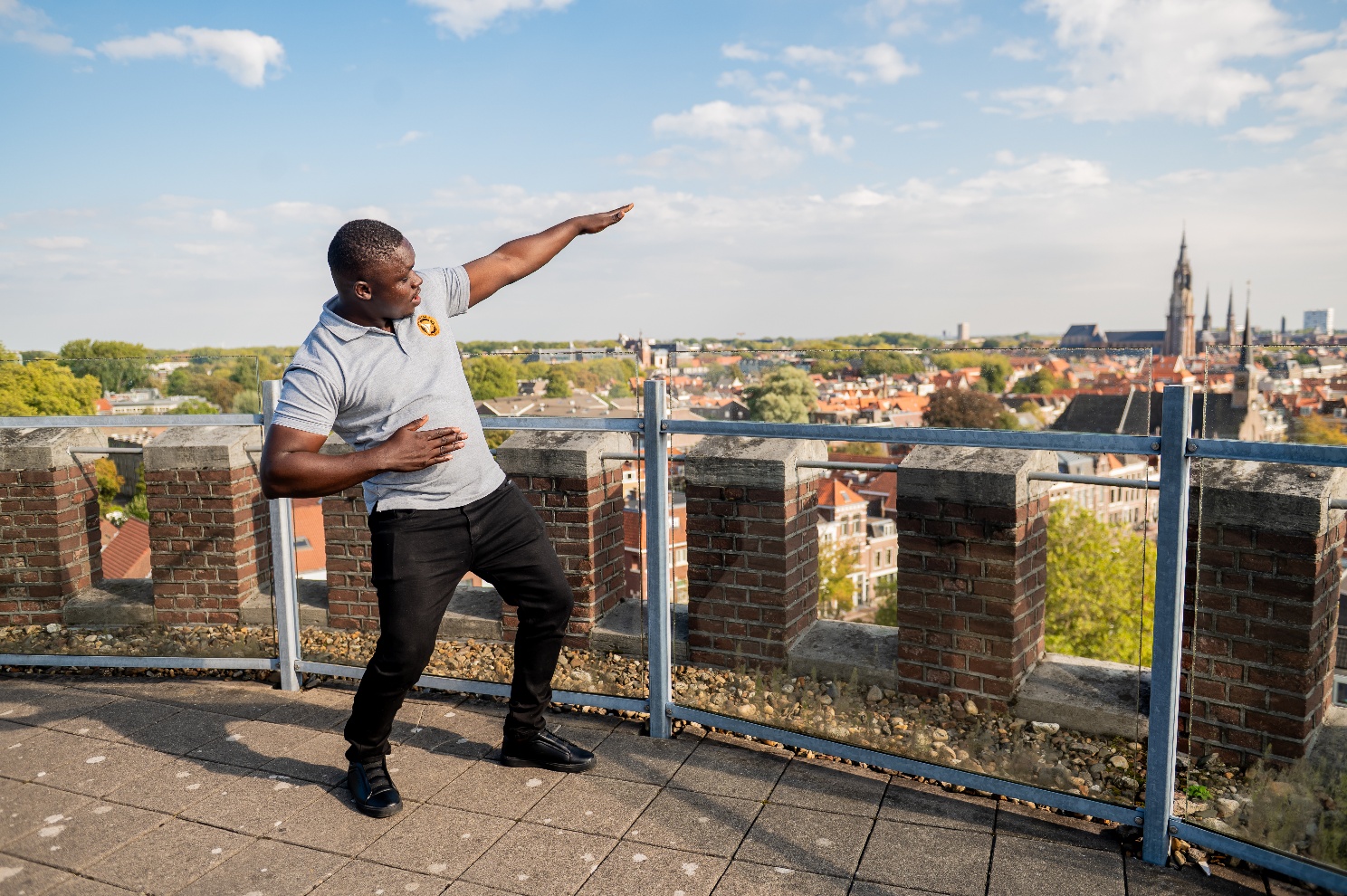
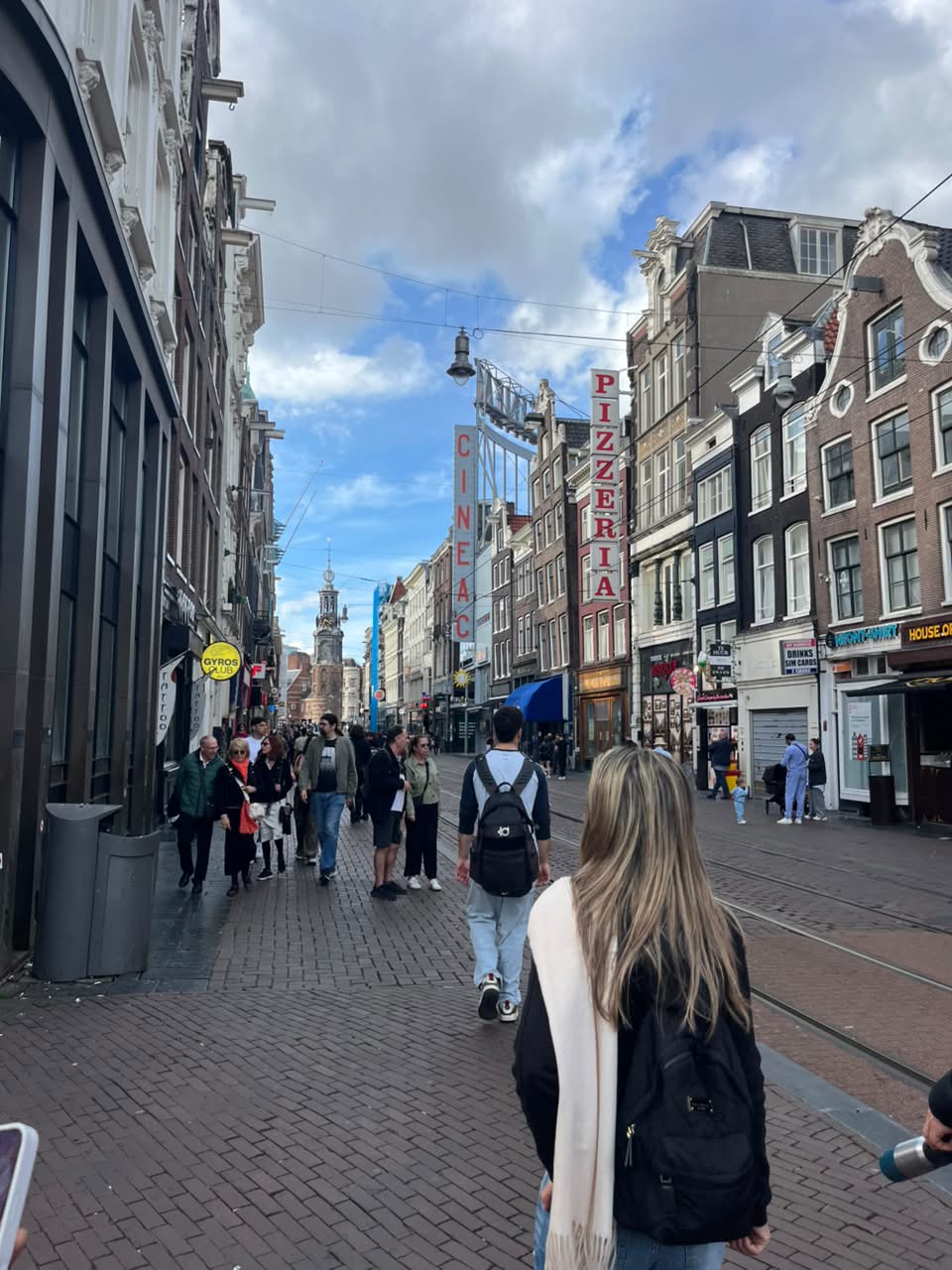
Then we arrived. Delft felt immediately different from Nairobi. It was quieter. The streets were tidy. Historic brick buildings lined the canals, bicycles were everywhere and there was a certain calmness to the way people moved around the city.
As visual storytellers, we couldn't help noticing everything. The canals. The architecture. The bicycles. The reflections in the water. The little streets that seemed to invite you to slow down. We had come to Delft for work, but the city quickly became part of the story we were experiencing.
Getting Around
One of the things that impressed us was the transport system. Trains, bicycles, walking routes and public transport seemed to connect everything so effortlessly. As first-time visitors, we were learning as we went, but moving between Delft, Amsterdam and Schiphol was surprisingly straightforward.
There was something fascinating about watching people move through the city primarily by bicycle, on foot or by train. Coming from Nairobi, where getting from one place to another can sometimes require patience, strategy and a little creativity, the efficiency was refreshing.
And, of course, everything looked incredibly clean and orderly. We noticed it because we were visitors, but also because we are visual people. You notice how a place looks, how people move through it and how the environment feels.
And Then There Was the Bread
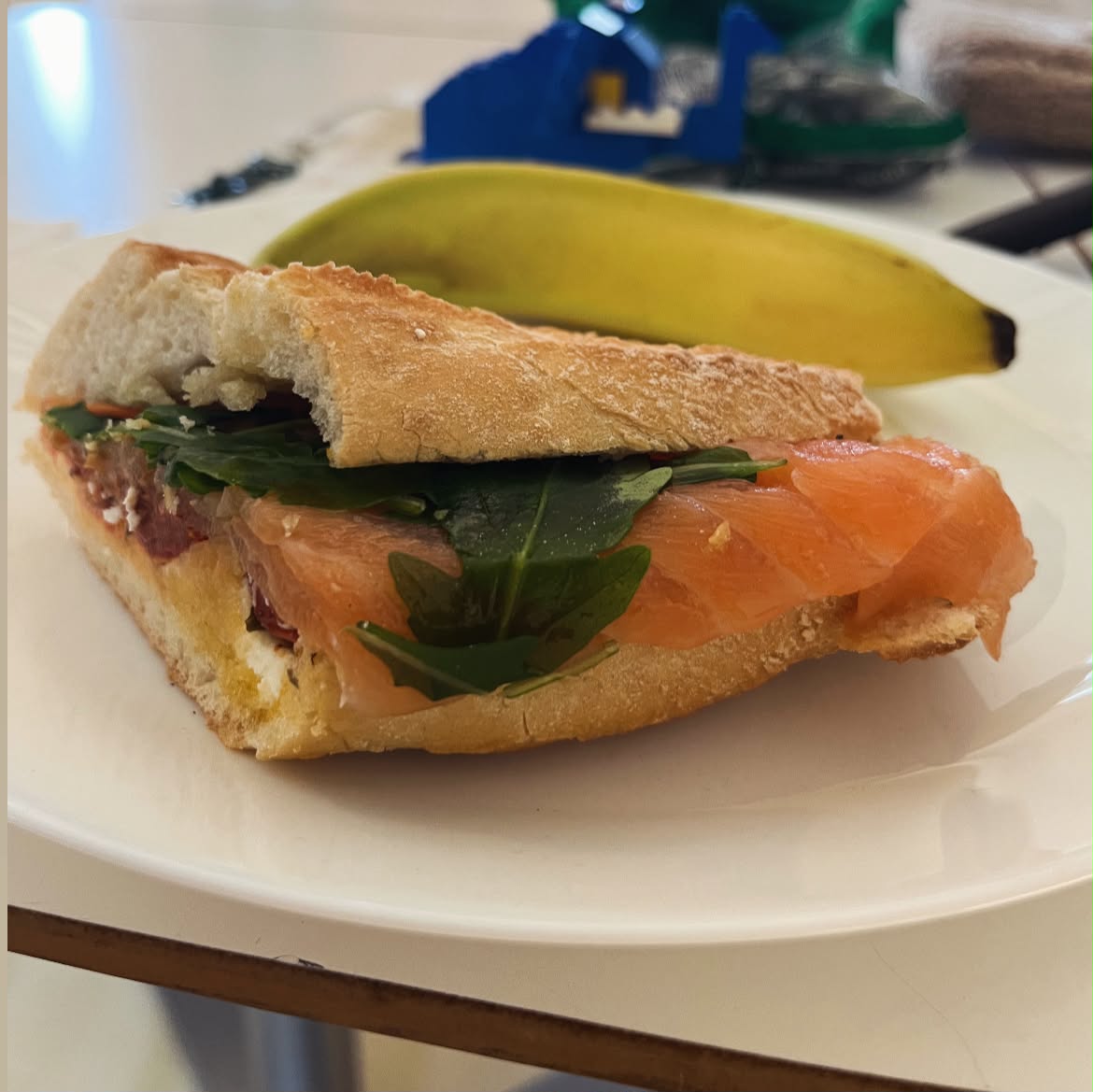
This deserves its own section. The Dutch bread culture caught us completely off guard. Back home, Kenyan breakfast can be a serious affair: tea, mandazi, chapati, eggs, sausages, nduma, arrowroot… something warm, filling and familiar.
In Delft, bread and sandwiches seemed to appear everywhere. At some point, we were genuinely wondering: Surely are we going to eat something else today? 😂 It wasn't bad. It was simply different. And it made us realise how much we missed Kenyan breakfast. Sometimes it is the smallest cultural differences that make you realise just how far from home you are.
Behind the Cameras at TEMBO Africa
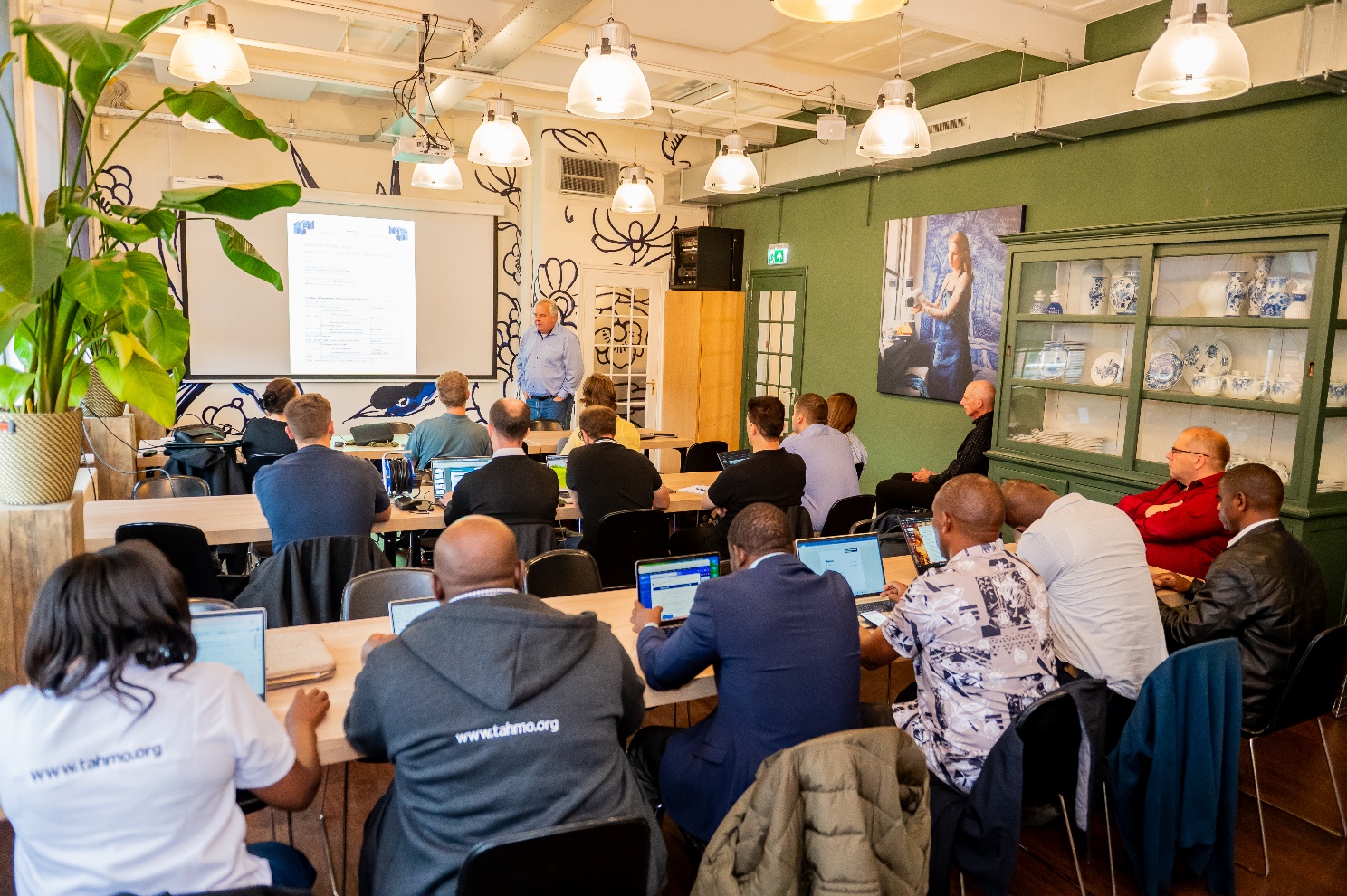
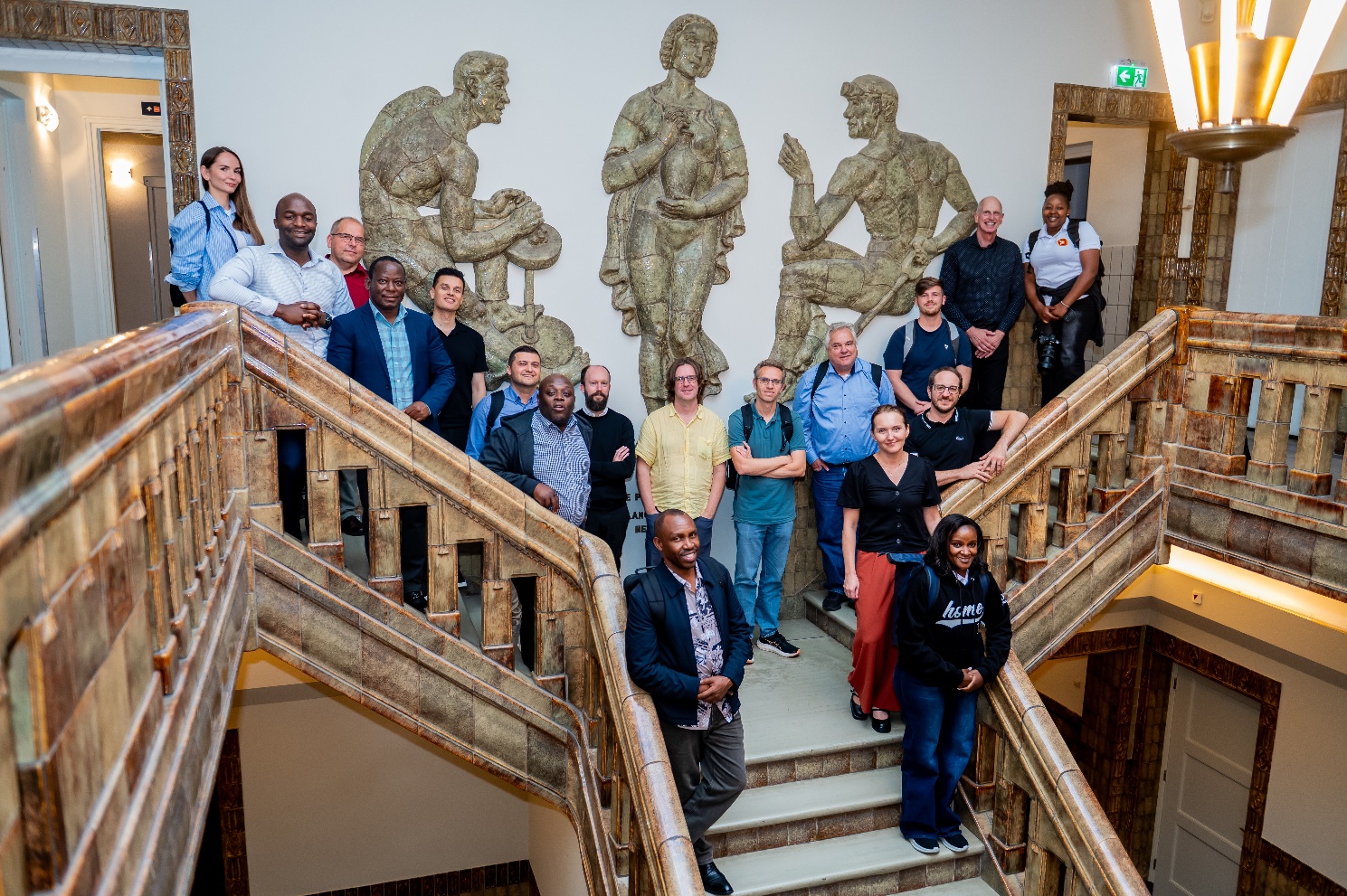
Our reason for being in Delft was the TEMBO Africa M44 Consortium Meeting at The Green Village, TU Delft. This was not just another conference where we arrived, filmed a few speeches and packed up. There were workshops, demonstrations, interviews, conversations and plenty of movement to capture.
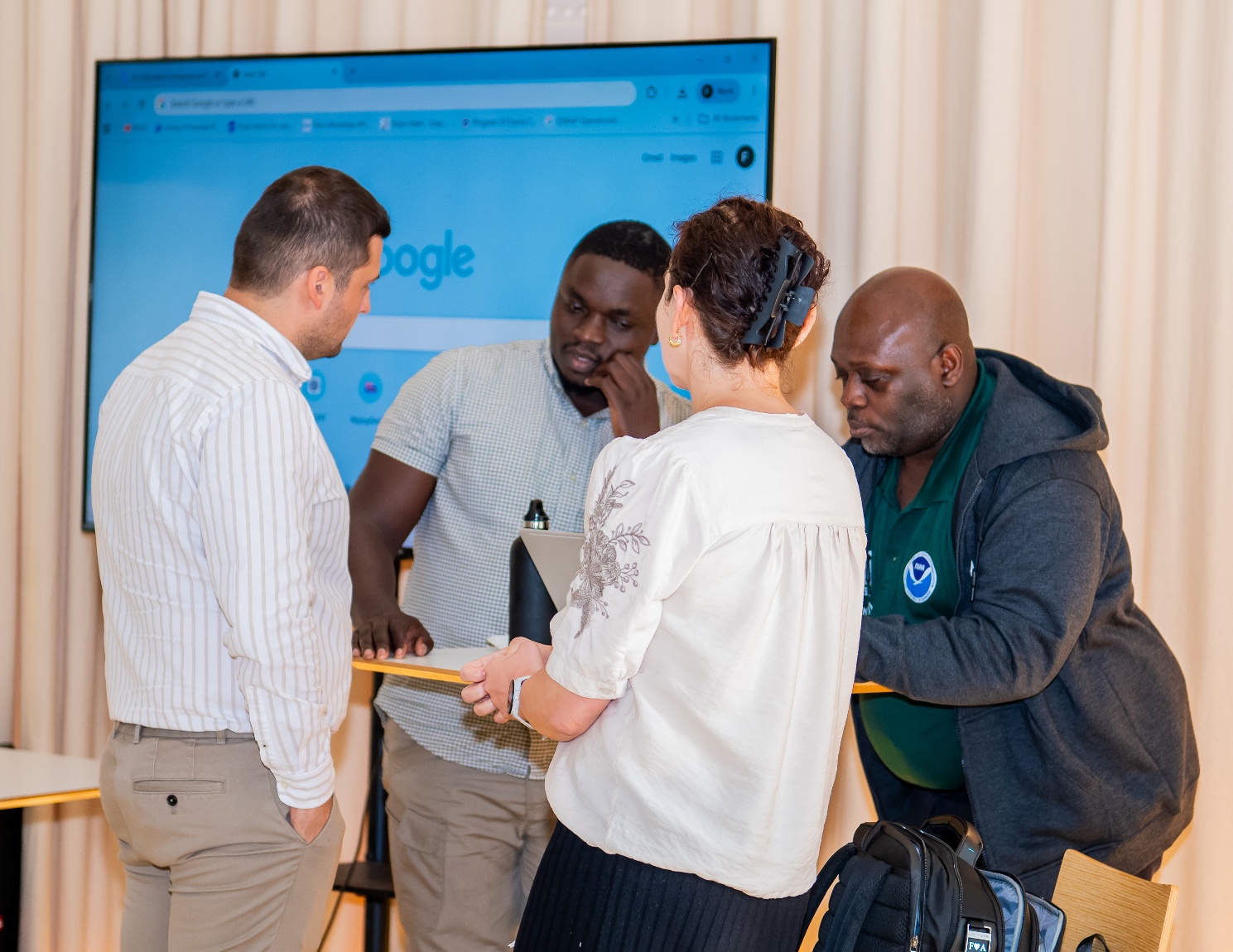
One of the highlights was the hands-on environmental monitoring workshop, including the installation of a TAHMO-GNSS-IR system at the Flood Proof Holland site. There was also a demonstration of OpenRiverCam, an affordable approach to measuring river flows.
For us, these weren't simply technical activities to record. They were opportunities to capture people interacting with technology, exchanging ideas, asking questions and figuring things out together. That is where our work becomes interesting. We weren't there simply to photograph a sensor or record a presentation. We were looking for the moments around them, the concentration on someone's face, a conversation between partners, the excitement around a demonstration, the quick exchanges during a workshop and the quieter moments in between. Because behind every dataset, sensor and technical conversation are people.
What It Takes to Document a Meeting Like This
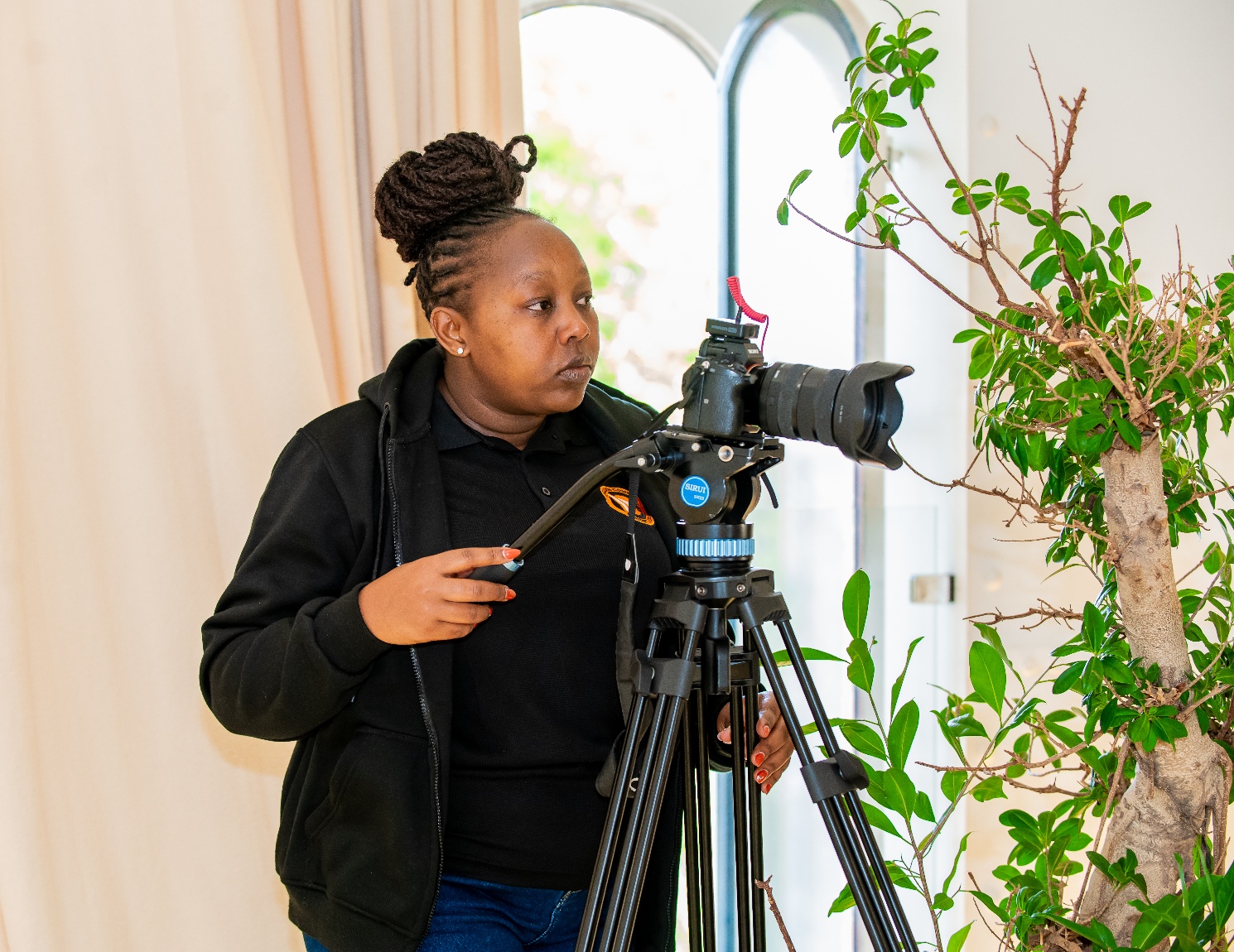
Being behind the camera at an international consortium meeting requires more than knowing how to operate a camera. You have to arrive early. You watch the room. You figure out where you can stand without becoming a distraction. You listen for the important moments. You move quickly when something happens and quietly when it doesn't.
We were filming interviews, photographing participants, covering workshops and demonstrations, recording presentations and constantly looking for those unscripted moments that tell a fuller story. And sometimes the best shot is the one that happens when nobody is posing. That's the beauty of documentary-style storytelling.
The People Behind the Data
TEMBO Africa is about environmental monitoring, technology, data and climate resilience. But spending time around the consortium reminded us that projects like this are ultimately about people. Researchers, engineers, environmental experts, technology developers and partners from different countries and disciplines were all contributing to the same conversation.
Standing there with a camera, we weren't just documenting a project. We were documenting collaboration. And that is something photographs and films can do particularly well. They give a face to work that can otherwise live inside reports, datasets and technical documents.
Thank You, TAHMO
A special thank you to TAHMO for facilitating our stay and making it possible for the Collines Communications team to be in Delft to document this important chapter of TEMBO Africa. Thank you for trusting us with the story and for welcoming us into the consortium.
We are equally grateful to the wider TEMBO Africa team and partners for the openness, collaboration and hospitality throughout our time in Delft.
Same Cameras. Bigger World.
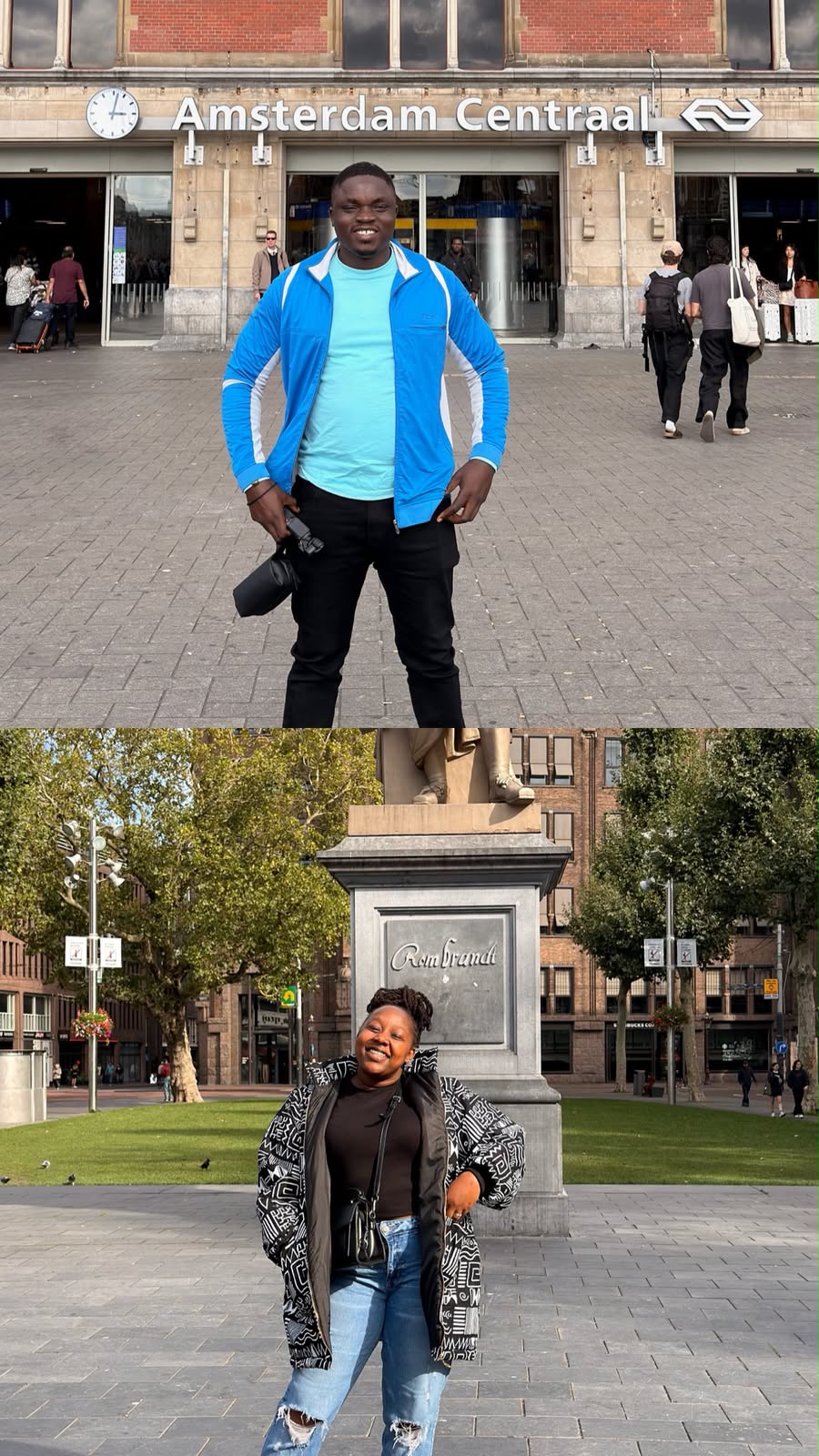
For us, Delft was more than another work trip. It was our second international work assignment outside Kenya and another reminder that the skills we have built at home can travel.
We arrived with the same cameras we use in Kenya. But everything around those cameras was new: a new country, a new culture, new people, new environments, new stories.
We learnt to navigate unfamiliar trains, adjusted to different food, watched our tripods disappear into checked baggage, walked through streets we'd only seen in pictures and then spent our days doing what we love: documenting people and ideas through photography and film. We left Delft with footage and photographs. But we also came home with new perspectives, new relationships and a little more confidence in where our work can take us.
And yes, we came home very ready for a proper Kenyan breakfast.
Collines Communications Concept Limited — Capturing stories. Creating impact.